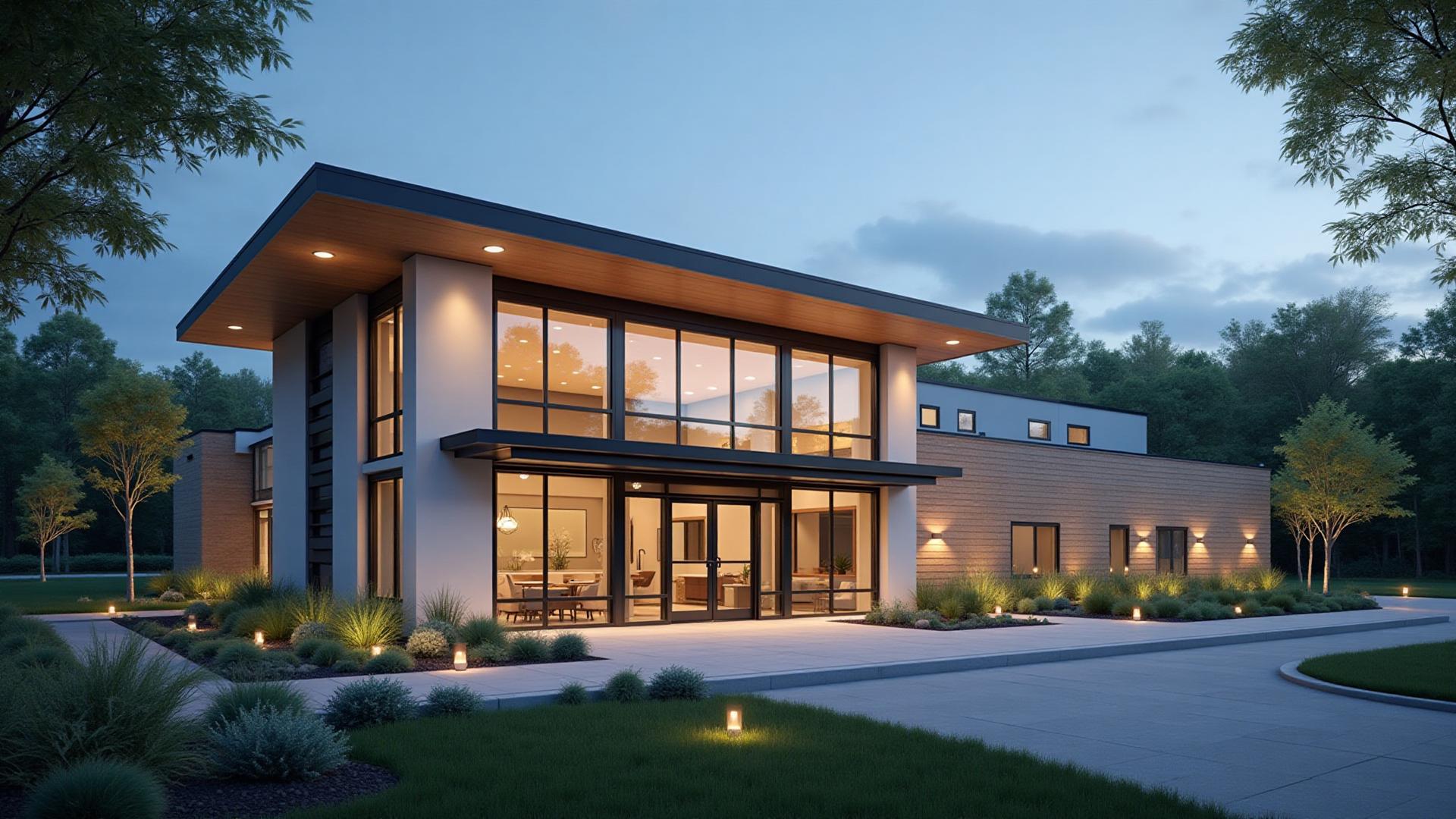
Start Your Journey to Recovery Today
Compassionate, professional inpatient treatment for alcohol and drug addiction. We accept private insurance and offer personalized care programs.
Available Monday - Friday, 6:00 AM - 5:00 PM PST
Why Choose Recovery Path
Professional treatment in a supportive environment focused on your lasting recovery
Personalized Care
Individualized treatment plans tailored to your specific needs and recovery goals.
Private Insurance Accepted
We work with most private insurance providers to help cover treatment costs.
Expert Medical Team
Our experienced professionals provide 24/7 medical support and compassionate care.
Proven Process
Evidence-based treatment approaches combined with holistic healing methods.
Your Path to Recovery
A clear, supportive process designed to guide you every step of the way
1. Call for Consultation
Speak with our caring admissions team to discuss your needs and insurance coverage.
2. Assessment
Complete a confidential evaluation to determine the right treatment approach.
3. Begin Treatment
Start your personalized inpatient program with medical support and therapy.
4. Continuing Care
Receive ongoing support and resources to maintain your recovery long-term.
Frequently Asked Questions
Get answers to common questions about our treatment programs
Have more questions? Our admissions team is here to help.
Call (619) 703-0255 for answersTake the First Step Toward Recovery
Don't wait another day. Call now to speak with our compassionate admissions team and learn how we can help you or your loved one begin the journey to lasting recovery.
Available Monday - Friday, 6:00 AM - 5:00 PM PST
Confidential consultation • Insurance verification available